In the middle of Delhi's busy streets, Gurudwara Bangla Sahib is not just a revered religious site but also a symbol of social harmony and spiritual solace. It has a particular place in the hearts of millions of worshippers and visitors alike as a well-known Sikh Gurudwara. The rich tapestry of Gurudwara Bangla Sahib's history, architectural splendor, spiritual practices, volunteerism, festivals, and significant influence on Sikhism and Indian society will be further explored in this blog article.
1. Historical Significance
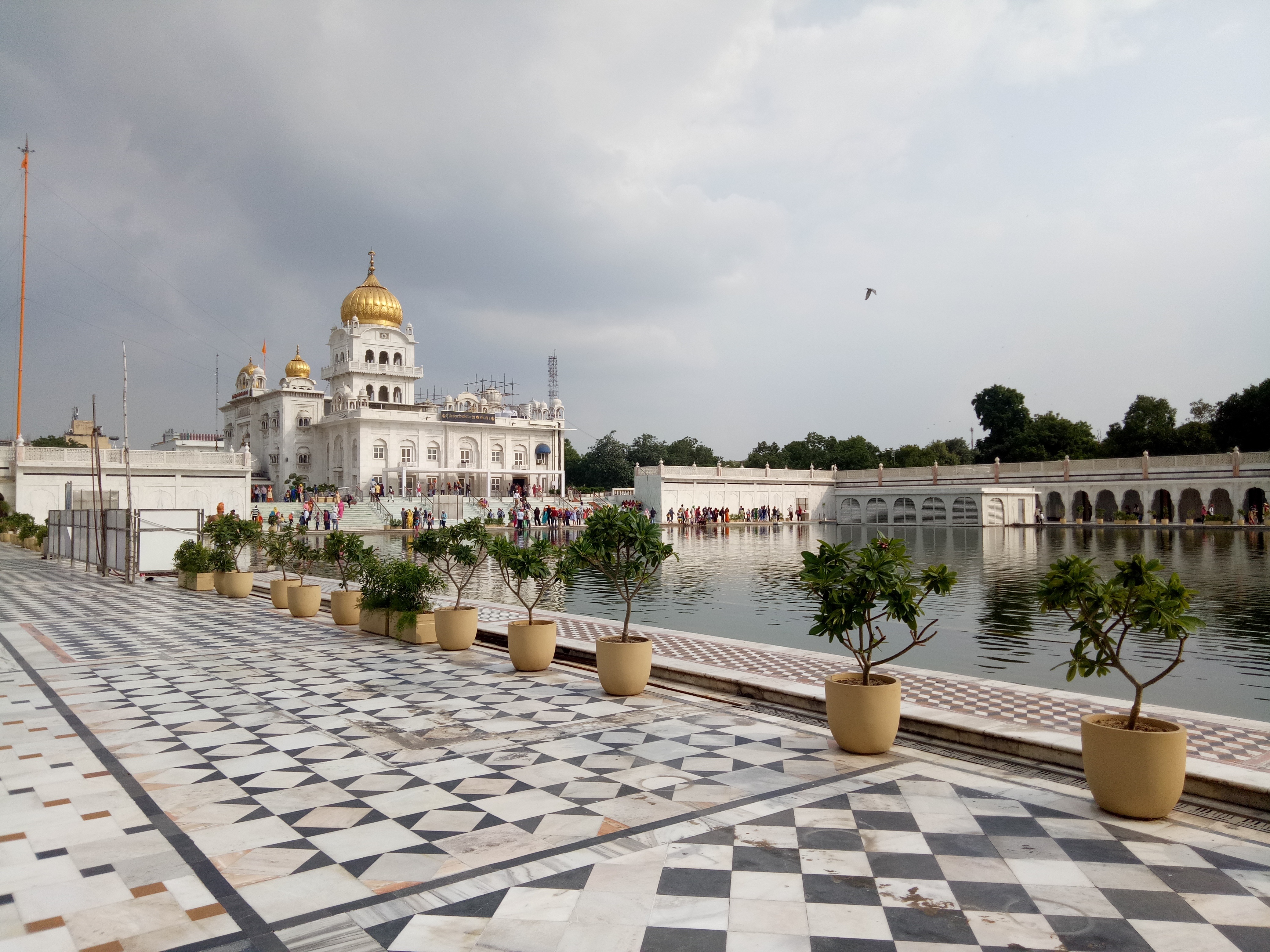
The history of Gurudwara Bangla Sahib is steeped in the devotion and sacrifice of Guru Har Krishan Sahib Ji, the eighth Sikh Guru. When Guru Har Krishan Sahib Ji arrived in Delhi in 1664, the city was grappling with a smallpox epidemic. Despite his tender age, Guru Ji fearlessly served the afflicted and provided solace to the suffering. Tragically, Guru Ji himself succumbed to the disease, leaving behind an indelible legacy of selfless service and compassion. The Gurudwara was built on the site of the haveli where Guru Ji stayed, immortalizing his noble deeds and profound teachings.
2. Architecture and Design
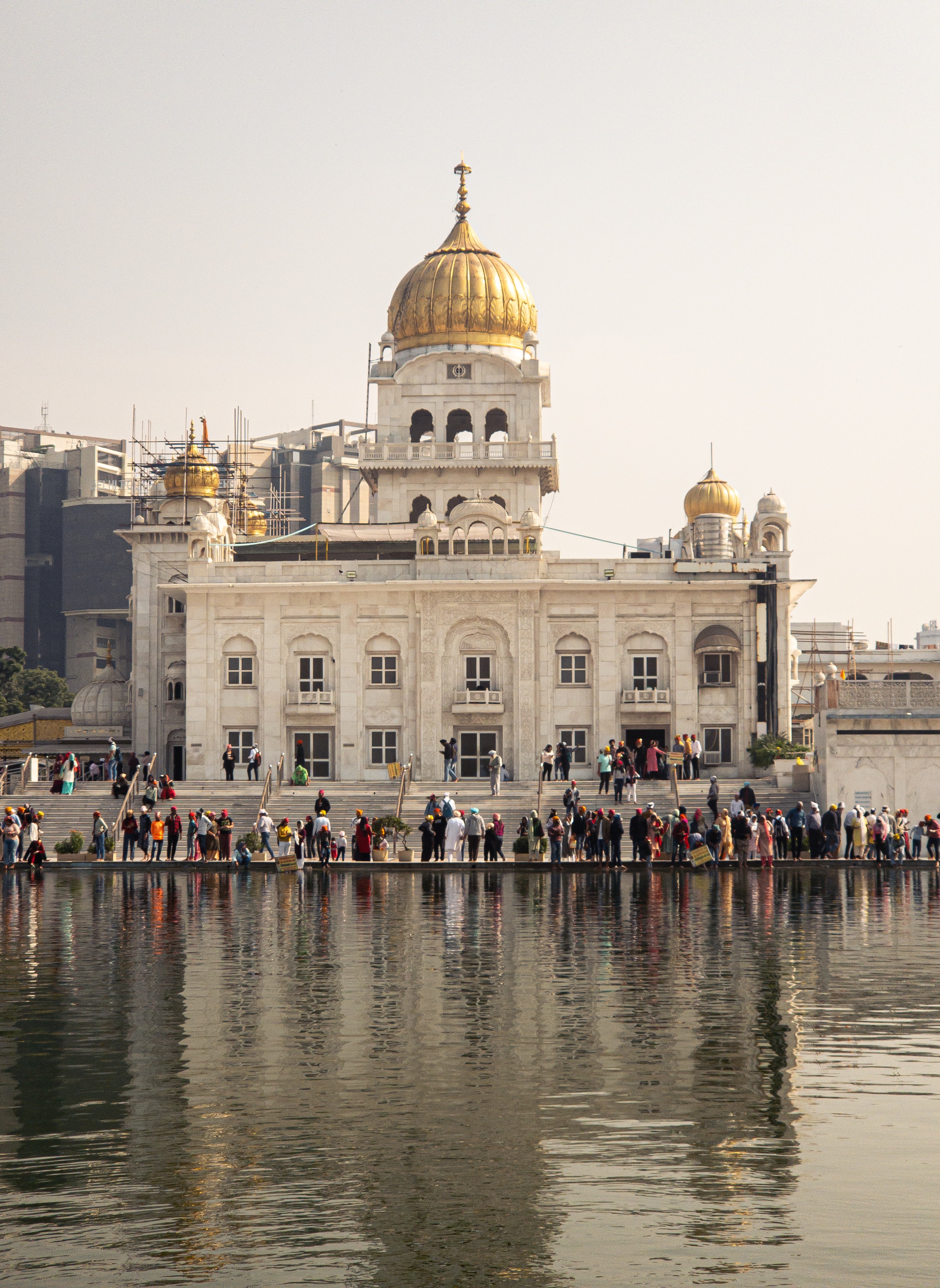
Gurudwara Bangla Sahib's architectural marvel is a harmonious blend of Islamic and Sikh styles. The iconic golden dome, adorned with intricate carvings and topped with the Khanda, a symbol of Sikhism, glistens in the sunlight. The grand entrance, adorned with colorful frescoes and intricately carved marble, welcomes visitors into a sanctuary of tranquility. The Guru Granth Sahib Ji, the eternal Guru of Sikhs, is enshrined with utmost reverence in the main prayer hall. The architectural brilliance of Gurudwara Bangla Sahib not only captivates the eye but also elevates the soul.
3. The Sarovar and Healing Powers
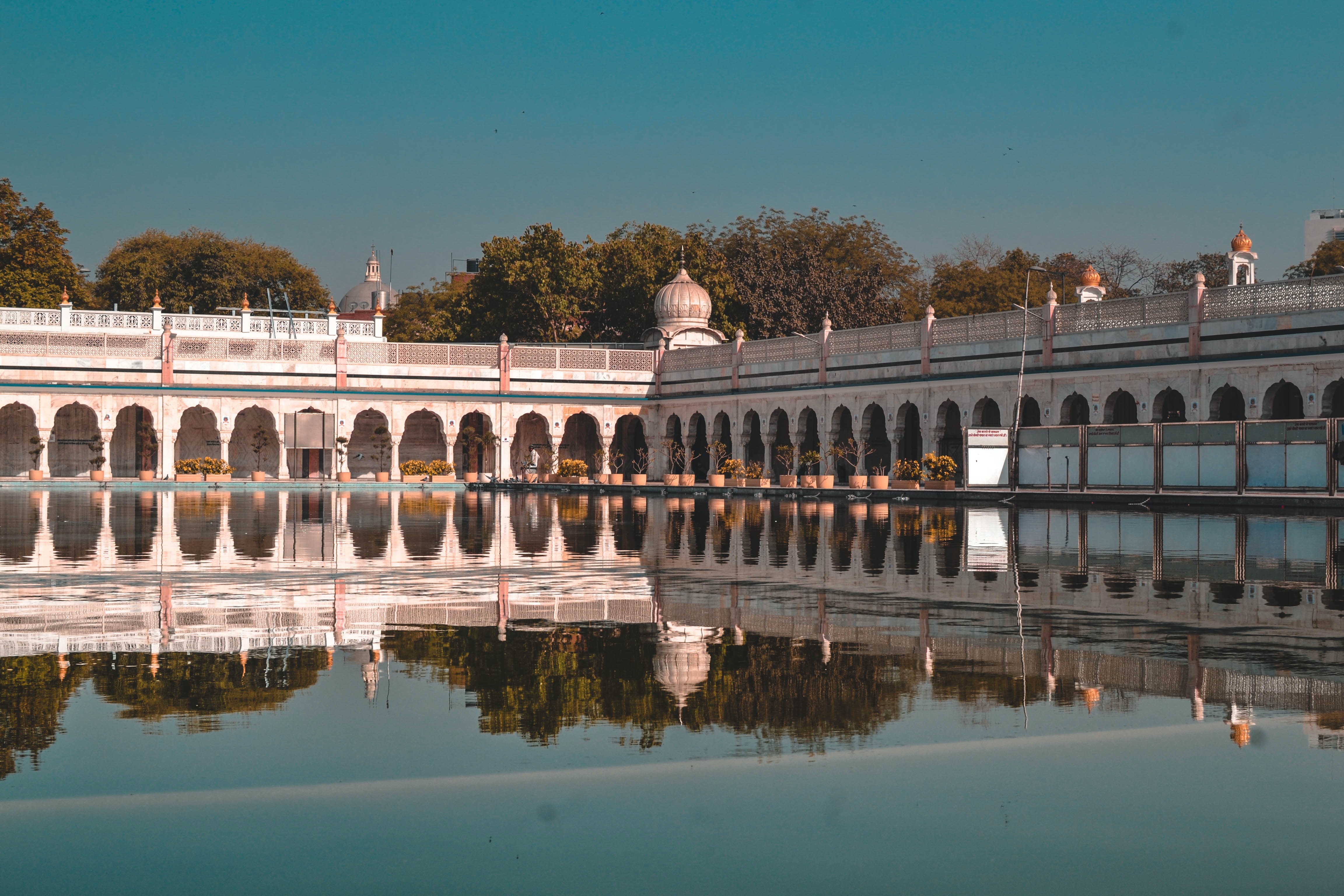
The Sarovar, a sacred water tank within the Gurudwara complex, holds profound spiritual significance. Devotees believe that the water possesses healing properties, and a dip in the Sarovar can wash away physical ailments and spiritual impurities. People from all walks of life come to seek solace and blessings from the holy waters, creating an atmosphere of faith and hope. The Sarovar symbolizes the eternal flow of spirituality and reminds visitors of the continuous cycle of life.
4. Community Service and Langar
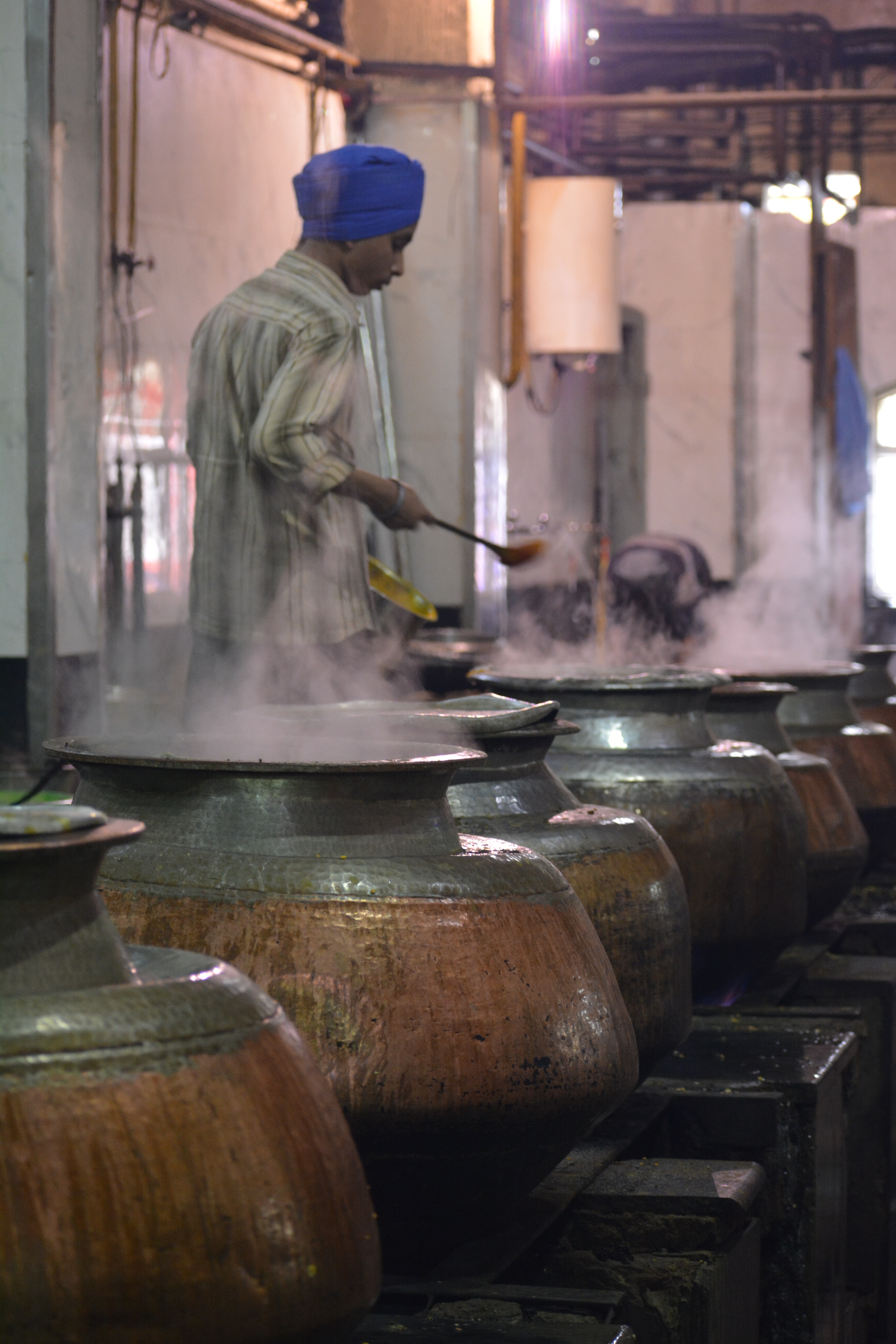
At Gurudwara Bangla Sahib, the spirit of "Seva" (selfless service) is manifested through the Langar, a free community kitchen that serves meals to all visitors without any discrimination. The Langar is a cornerstone of Sikh philosophy, exemplifying equality and sharing with others. Regardless of one's social, economic, or religious background, everyone sits together on the floor, partakes of the Langar, and experiences the essence of unity and humility. The Langar is sustained by the voluntary efforts of countless devotees who contribute their time and resources, fostering a spirit of altruism and service in the community.
5. Festivals and Celebrations
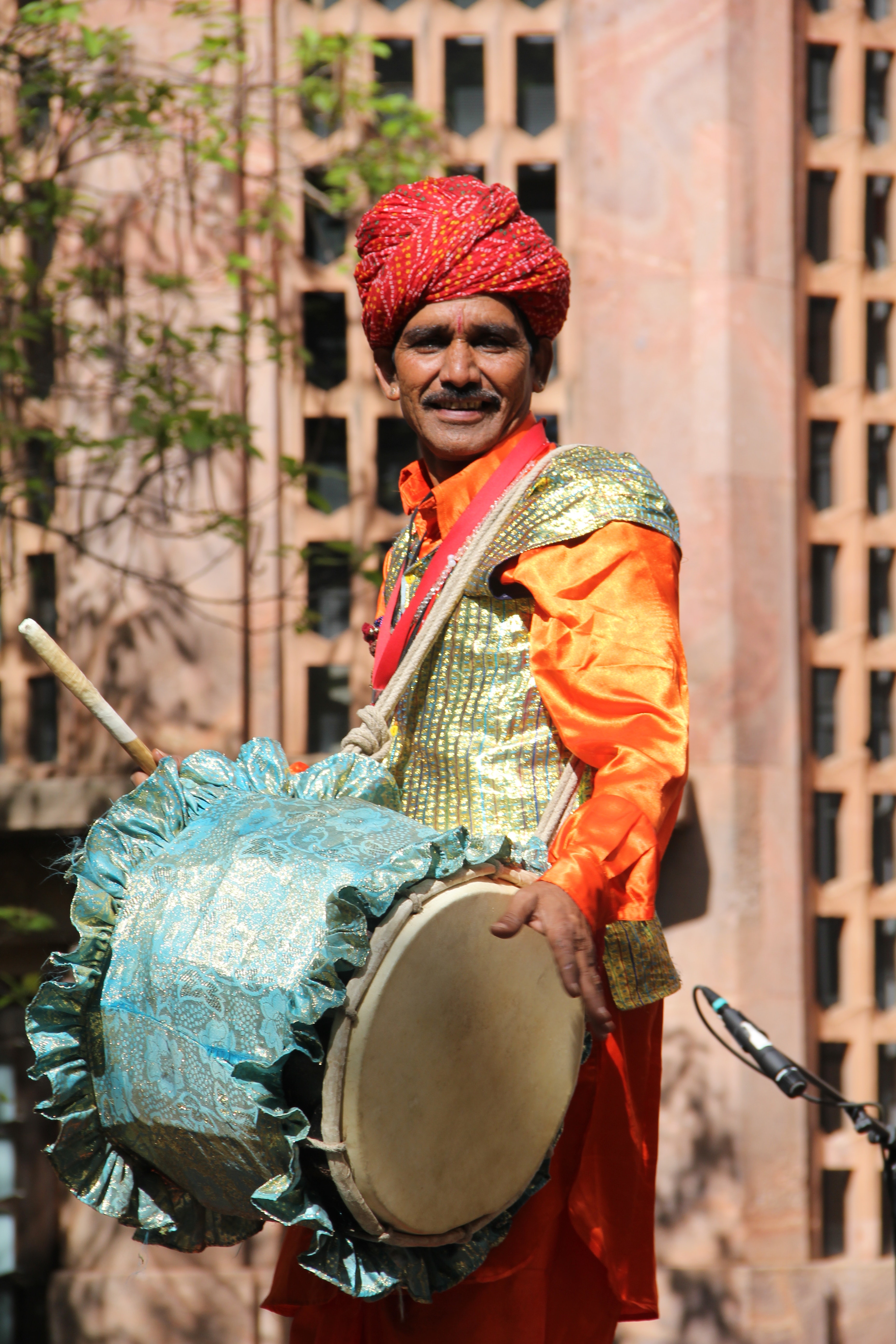
Gurudwara Bangla Sahib resonates with celebrations during various Sikh festivals, most notably Gurpurabs. These occasions commemorate the birth anniversaries of Sikh Gurus and are marked by special prayers, Kirtans (devotional singing), and Kathas (scriptural discourses). The Gurpurabs draw Sikhs and non-Sikhs from different parts of the world, reflecting the universality of Sikh teachings and the inclusive nature of the Gurudwara. The festive atmosphere, vibrant processions, and joyous celebrations foster a sense of belonging and unity among the attendees.
6. Educational and Humanitarian Initiatives

Gurudwara Bangla Sahib's commitment to education and humanitarian endeavors extends beyond the Langar. The Gurudwara hosts educational institutions that promote Sikh values and provide knowledge in various disciplines. Additionally, it actively engages in charitable activities, supporting medical camps, blood donation drives, and disaster relief efforts. The altruistic initiatives of Gurudwara Bangla Sahib contribute significantly to the welfare of society, embodying the Sikh principle of selfless service to humanity.
7. Impact on Indian Society
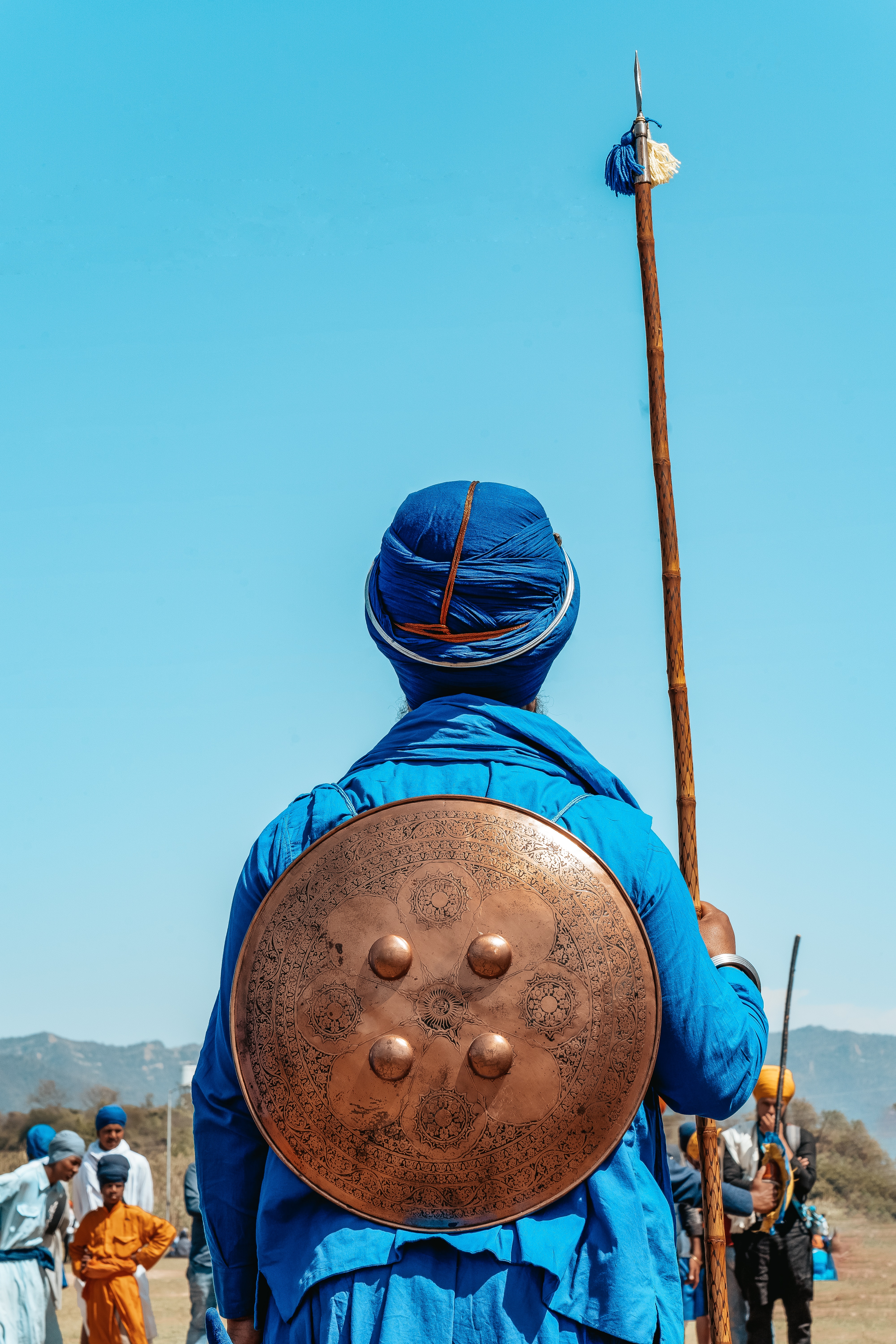
Gurudwara Bangla Sahib's profound impact on Indian society is reflected in its role as a symbol of communal harmony and religious tolerance. It stands as a testament to the nation's diversity, where people of different faiths come together to seek spiritual solace and participate in the Langar. The Gurudwara's emphasis on equality, compassion, and unity fosters a spirit of brotherhood, breaking down barriers and promoting a sense of oneness among all.
8. Promoting Interfaith Dialogue and Understanding
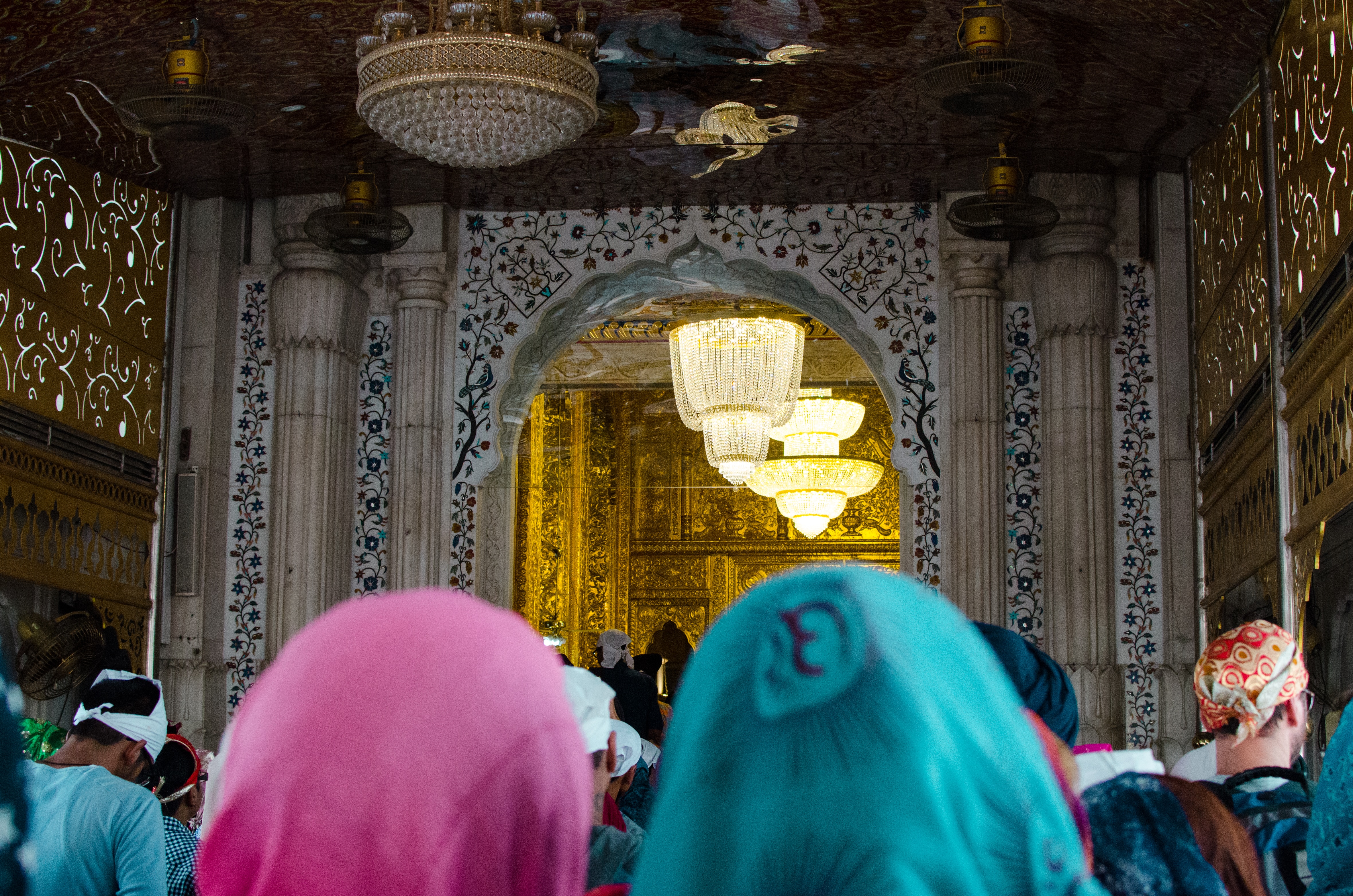
Gurudwara Bangla Sahib stands as a living testament to the spirit of interfaith dialogue and understanding. As an inclusive place of worship, it welcomes people from all religious backgrounds with open arms. Visitors of different faiths are encouraged to participate in the daily prayers and rituals, providing them with an opportunity to experience Sikh practices and customs firsthand. This interfaith engagement fosters a sense of mutual respect and appreciation for diverse religious beliefs, promoting harmony and unity among different communities.
Throughout the year, the Gurudwara hosts interfaith events, seminars, and conferences. Scholars, religious leaders, and individuals from various faiths gather to share their perspectives, engage in meaningful discussions, and explore the common threads that bind humanity together. These events promote dialogue, dispel misconceptions, and build bridges of understanding, strengthening the fabric of a pluralistic society.
9. Role in Times of Crisis
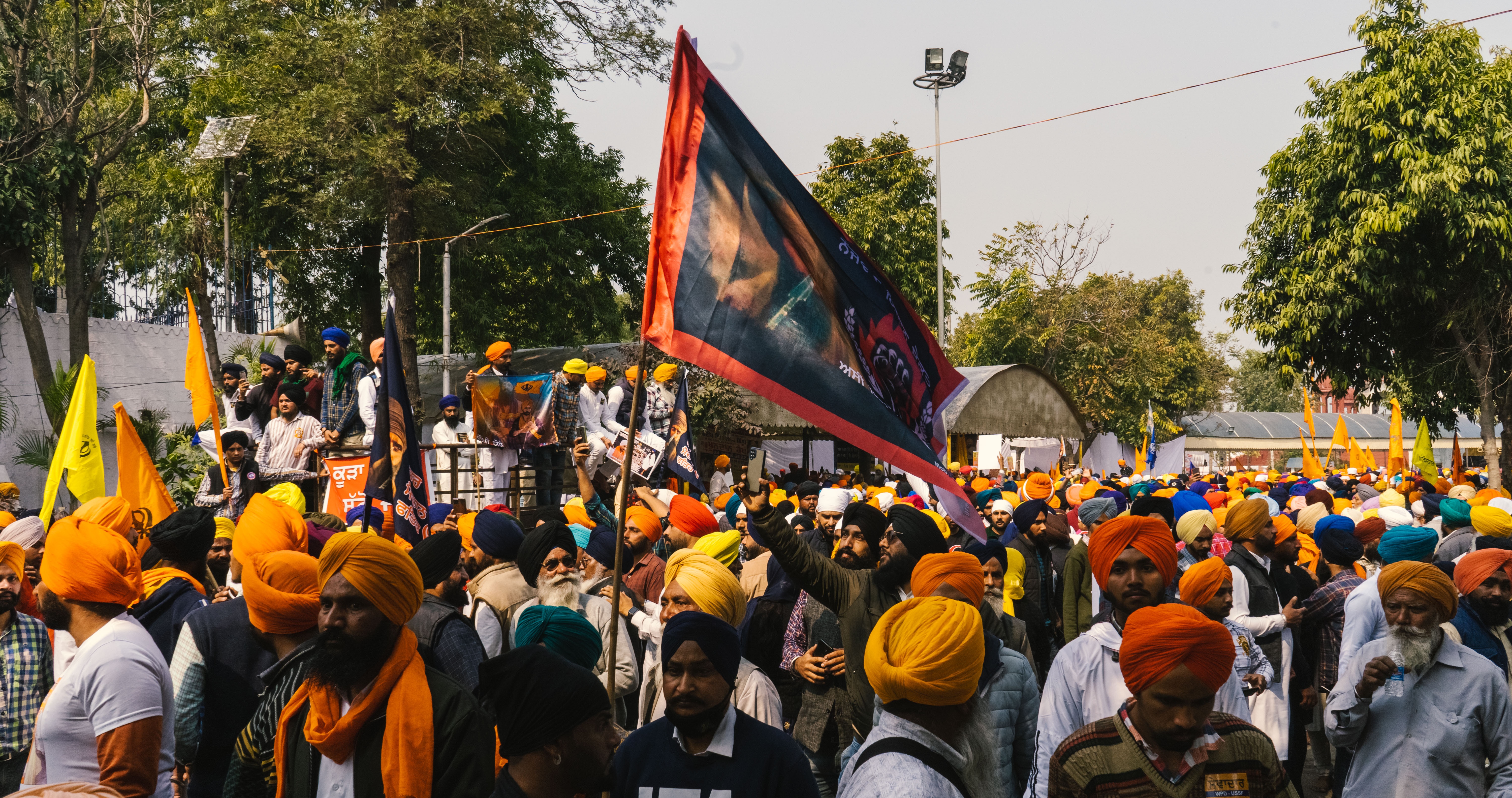
During times of crisis, Gurudwara Bangla Sahib assumes an even more significant role in the community. Whether it is a natural disaster, communal strife, or any other emergency, the Gurudwara becomes a beacon of hope and refuge for those in need. The Langar operates round the clock, providing nourishment and comfort to affected individuals and rescue workers. Volunteers from the Sikh community, known as "Sevadars," selflessly serve the needy, exemplifying the essence of Sikhism's core values.
The Gurudwara's compassionate response during times of crisis has left an indelible mark on society. It showcases the resilience of Sikh principles and the commitment to alleviating suffering, regardless of religious or cultural affiliations. Such acts of kindness and solidarity demonstrate the power of collective action and the impact of unified efforts in times of adversity.
10. Tourist Attraction and Cultural Heritage
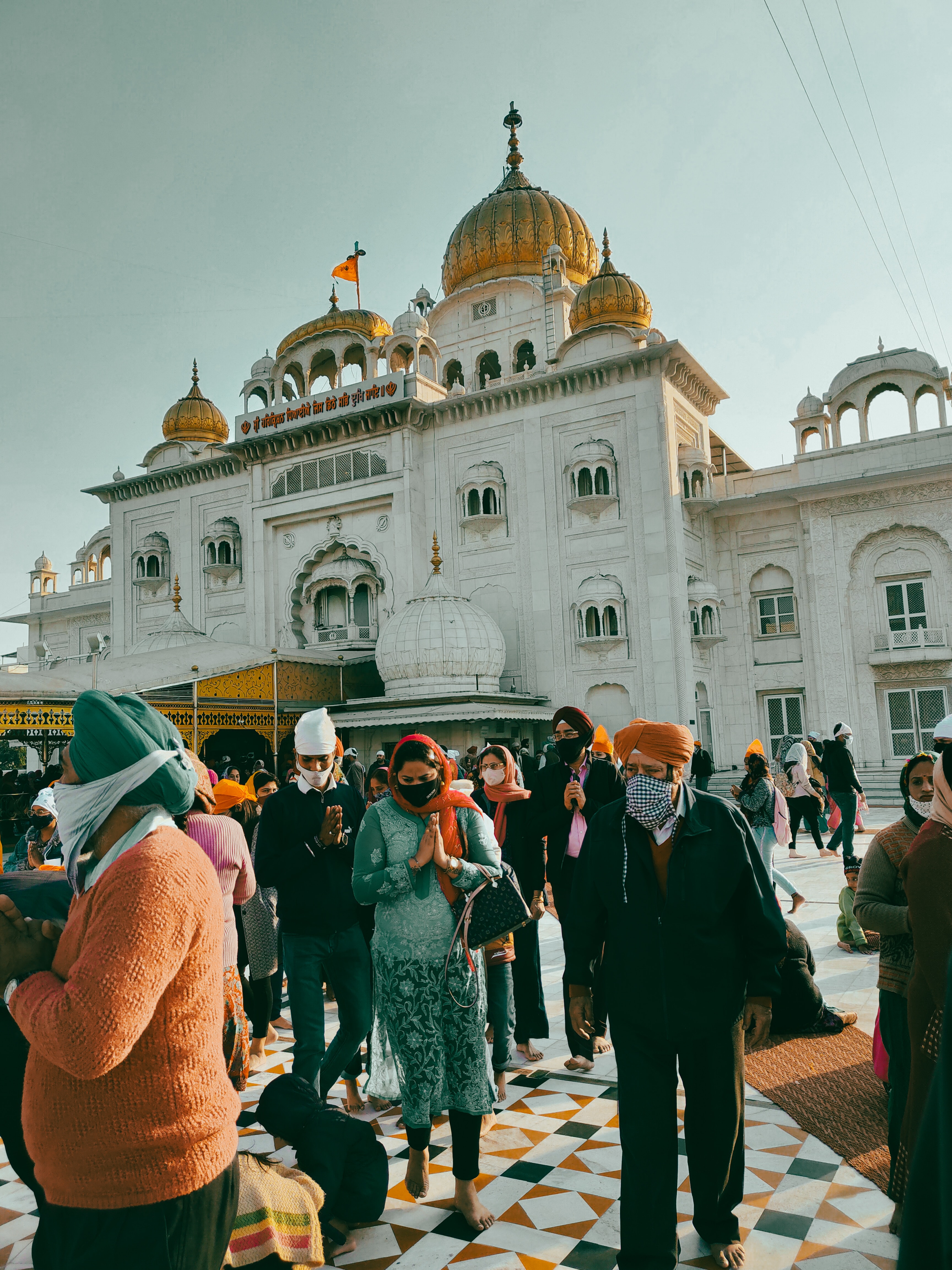
Gurudwara Bangla Sahib has not only emerged as a significant spiritual destination but also as a prominent tourist attraction in Delhi. Its unique blend of architectural styles, from the Mughal-influenced domes to the intricate Sikh symbols, mesmerizes visitors. The golden dome, shimmering in the sun, becomes an iconic image that lingers in the memory of tourists.
Beyond its architectural splendor, the Gurudwara represents India's cultural heritage and religious diversity. Tourists are fascinated by the Langar, where everyone sits together and shares a meal as equals, erasing social barriers. Witnessing the selfless service and the spirit of volunteerism within the Gurudwara leaves a lasting impression on visitors, inspiring them to embrace the values of compassion and empathy.
11. Environmental Initiatives

Aligned with Sikhism's reverence for nature and the environment, Gurudwara Bangla Sahib actively engages in environmental initiatives. The Gurudwara promotes eco-friendly practices, such as waste reduction, water conservation, and renewable energy use. Rainwater harvesting systems have been installed to make efficient use of water resources, and efforts are made to minimize Gurudwara's carbon footprint.
Environmental awareness programs are organized to educate devotees and visitors about the importance of environmental stewardship. The Gurudwara's green initiatives not only set an example for other religious institutions but also contribute to the broader global movement towards sustainability and environmental consciousness.
12. Social Welfare Programs

Gurudwara Bangla Sahib's commitment to social welfare goes beyond the Langar and disaster relief efforts. The Gurudwara actively engages in various social welfare programs aimed at uplifting marginalized communities. Medical camps are organized to provide healthcare services to the underserved, while educational scholarships are awarded to deserving students, empowering them with knowledge and skills.
Vocational training programs help individuals acquire livelihood skills, enhancing their economic prospects and self-sufficiency. Additionally, the Gurudwara supports empowerment initiatives for women and vulnerable groups, championing gender equality and social justice.
Gurudwara Bangla Sahib's significance transcends the realm of a mere place of worship. It serves as a unifying force, bringing people of diverse backgrounds together through interfaith dialogue, promoting understanding, and nurturing a spirit of tolerance. During times of crisis, the Gurudwara's humanitarian response showcases the power of compassion and collective action in creating a resilient community.
As a cultural heritage site and tourist attraction, Gurudwara Bangla Sahib introduces visitors to the profound teachings of Sikhism and the values of love, service, and equality. Its environmental initiatives and social welfare programs exemplify the essence of Sikh principles in action, contributing to a more sustainable and just society.
Gurudwara Bangla Sahib continues to be a shining example of spirituality in action, inspiring generations to embrace its timeless teachings and contribute to a world filled with harmony, understanding, and compassion. As long as its doors remain open, Gurudwara Bangla Sahib will continue to be a beacon of hope, uniting people from all walks of life in the pursuit of a better and more inclusive future.